Human Rights Advocacy

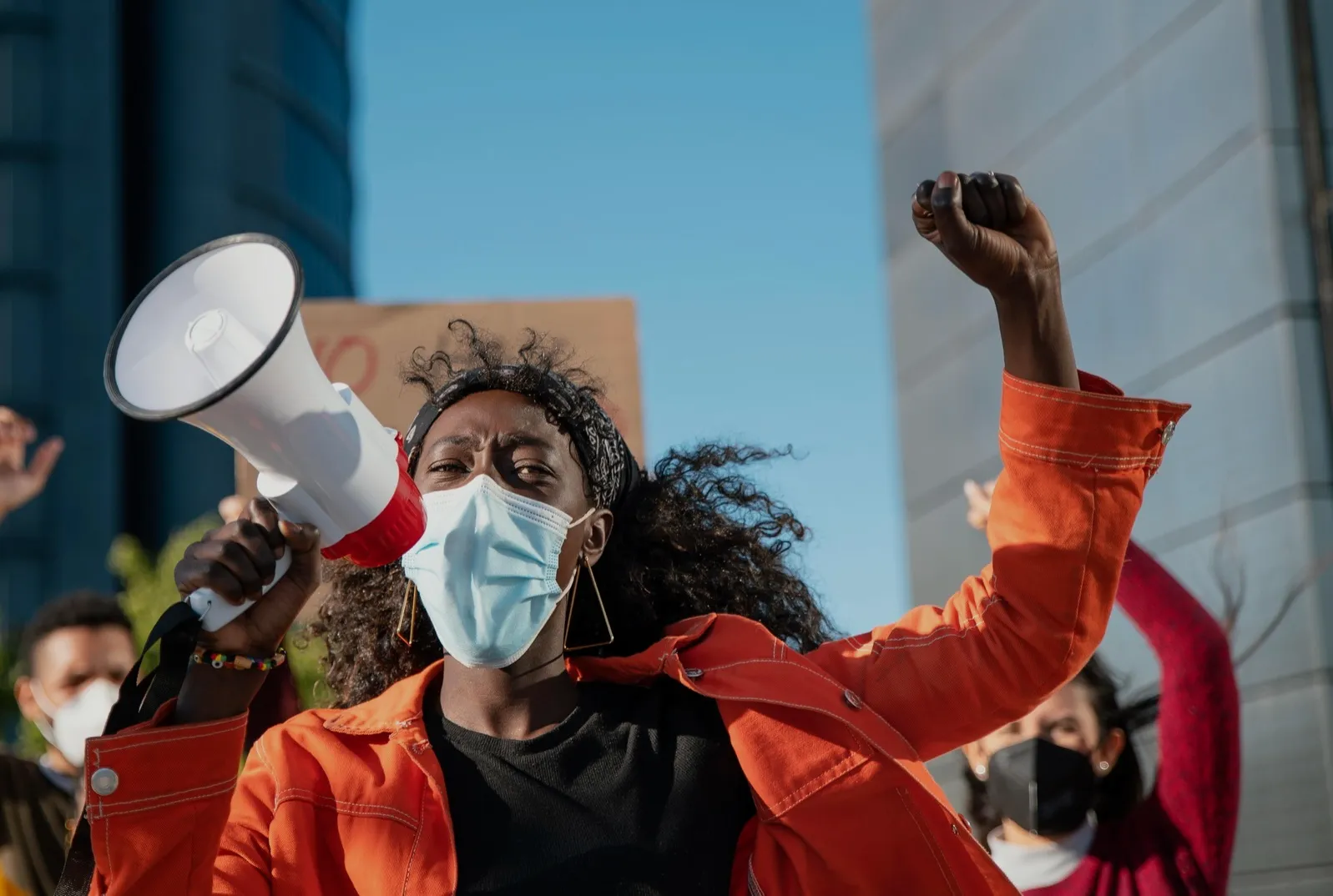
Human Rights Advocacy protects individuals against abuses, discrimination, and unlawful treatment by ensuring the fair application of Zimbabwean law. Macheyo Law Chambers champions the dignity, freedoms, and legal protections of every person, regardless of background or circumstance.

Protecting Dignity, Liberty, and Justice for Every Individual

Human rights remain the cornerstone of a just and democratic society. At Macheyo Law Chambers, we provide strong representation, advisory support, and legal protection for individuals whose rights have been threatened or violated. Our work spans across civil, political, social, and economic rights, with a strong commitment to ensuring that every client receives justice, fair treatment, and the full protection of the law.

Enforcement of Constitutional Rights
Protection Against Unlawful Arrest and Detention
Legal Representation in Cases of Police Misconduct
Advocacy in Discrimination and Equality Matters
Advisory Services on Civil and Political Rights
Strategic Litigation in Human Rights and Public Interest Cases

Why Choose Macheyo Law Chambers

A Trusted Legal Partner Defending Justice, Liberty, and Fair Treatment

1. Strong Expertise in Constitutional and Human Rights Law

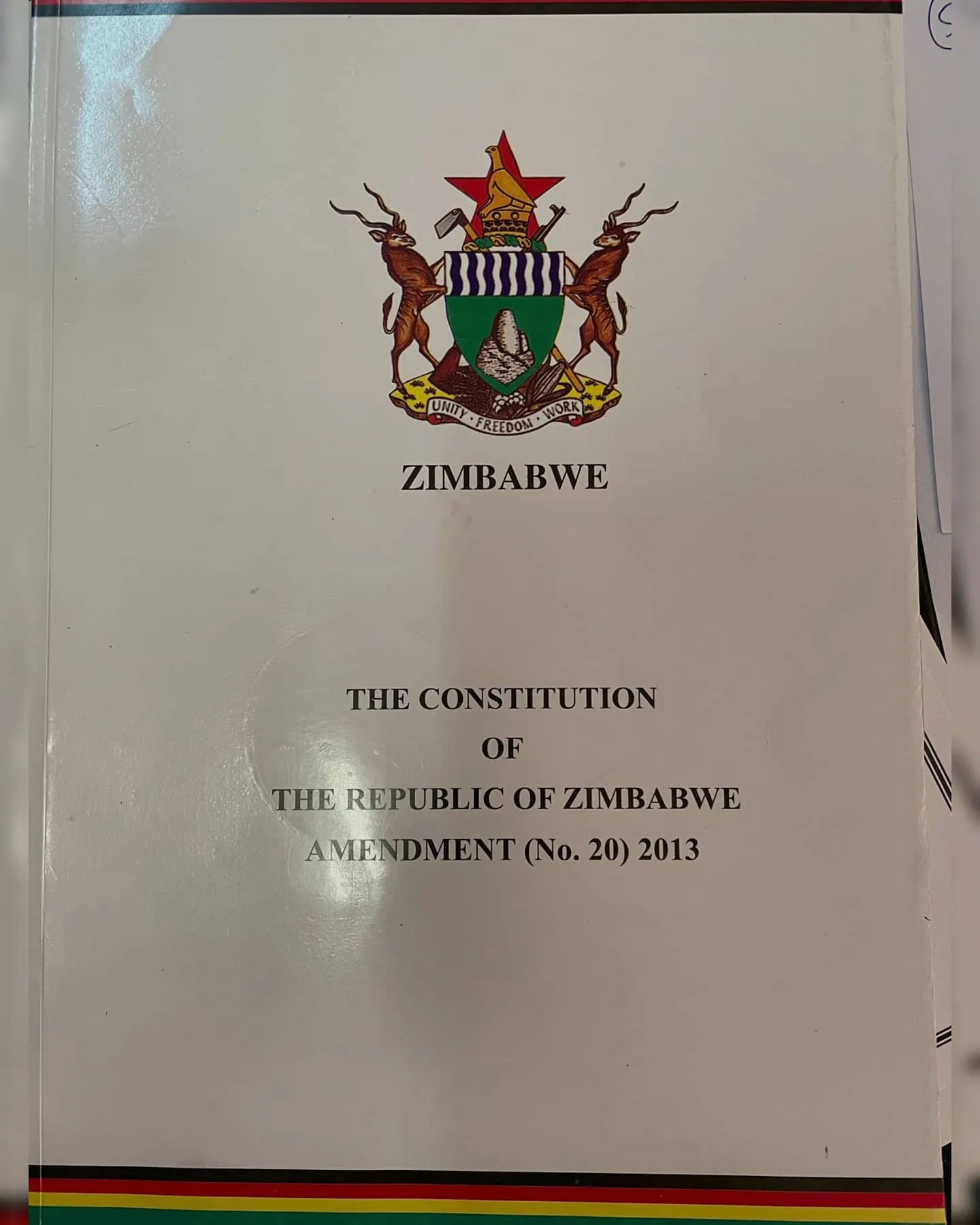
Our lawyers are well-versed in the Constitution of Zimbabwe and international human rights standards. This expertise enables us to identify violations accurately, challenge unlawful conduct, and provide legal solutions that uphold the highest standards of justice. We stand firm in defending civil liberties and ensuring accountability from institutions and authorities.

2. Client-Centered and Compassionate Representation

Human rights issues often involve emotional distress, fear, and uncertainty. We approach every case with empathy, confidentiality, and unwavering support. Our team takes time to fully understand each client’s situation, ensuring that they feel safe, respected, and guided throughout the legal process.

3. Bold, Strategic, and Impact-Driven Legal Action

We adopt innovative and strategic approaches to challenge violations and advocate for systemic change. Whether through litigation, negotiations, or public interest advocacy, we aim to secure lasting outcomes that protect both individual clients and broader communities.

4. High Ethical Standards and Professionalism

Macheyo Law Chambers is guided by integrity, transparency, and respect for the rule of law. Clients can trust that their cases are handled with utmost confidentiality and professional care. We ensure that every action taken is lawful, ethical, and aimed at achieving justice.

Our approach

A Thorough, Strategic, and Rights-Focused Methodology

Our human rights advocacy is designed to uncover violations, defend clients effectively, and pursue remedies that restore dignity and legal protection. We combine rigorous legal research with bold strategic interventions to secure meaningful outcomes.
Step 1: Rights Assessment and Case Evaluation
We begin by assessing the client’s circumstances, identifying potential violations, and determining which constitutional or statutory provisions apply. This step allows us to clarify the scope of the issue and understand the harm suffered.
Step 2: Evidence Gathering and Legal Analysis
Human rights cases rely heavily on credible evidence. We gather documents, witness accounts, expert opinions, and physical or digital proof. Our legal analysis identifies the strongest legal grounds and strategies for challenging the violation.
Step 3: Strategic Action and Legal Representation
Based on our findings, we initiate litigation, file constitutional applications, negotiate with authorities, or engage in public interest advocacy. Our strategies focus on achieving meaningful remedies, whether compensation, release, enforcement of rights, or systemic correction.
Step 4: Follow-Up, Monitoring, and Support
Human rights relief often requires ongoing monitoring to ensure compliance and prevent repeat violations. We continue to support clients even after court rulings, ensuring that their rights are respected and safeguarded going forward.
How it Works?

Our Consulting Process

A Clear and Supportive Client Engagement Framework

Frequently Asked Questions

Key Questions About Protecting and Enforcing Human Rights in Zimbabwe

1. What qualifies as a human rights violation?
A human rights violation occurs when an individual’s fundamental freedoms, dignity, or legal protections are breached by authorities, institutions, or private individuals. Examples include unlawful arrest, discrimination, torture, suppression of free expression, and denial of due process. Even actions that seem minor may amount to violations if they infringe on constitutionally protected rights. Understanding these violations is the first step in seeking justice and appropriate remedies.
2. What should I do if I believe my rights have been violated?
It is important to document the incident, record names of officials involved, gather any available evidence, and seek legal assistance immediately. Delays may weaken the case or make it difficult to access certain remedies. A lawyer can help determine whether your rights were violated, identify legal grounds, and take steps to protect you. Consulting a legal professional early increases the chances of obtaining justice.
3. Can I challenge an unlawful arrest or detention?
Yes. Zimbabwean law provides strong protections against unlawful arrest, arbitrary detention, and abusive policing. If the arrest was without reasonable cause or procedural safeguards were ignored, you may have grounds to challenge it in court. Remedies may include release, compensation, disciplinary action against officers, or orders compelling authorities to comply with proper procedures. Legal representation is vital in ensuring these rights are enforced.
4. Are human rights only protected when dealing with government officials?
No. While many violations involve state agents, private individuals, employers, companies, and other entities can also infringe on human rights. Issues such as discrimination, harassment, exploitation, or denial of basic freedoms can occur in private settings. Any violation of constitutional rights—regardless of who commits it—may be challenged through legal mechanisms.
5. How long does a human rights case take to resolve?
Timelines vary depending on the complexity of the issue, the court’s workload, and the type of remedy sought. Some matters can be resolved quickly through correspondence or urgent applications, while more complex constitutional cases may take longer. Despite these variables, we ensure constant communication with clients and strategic follow-up to avoid unnecessary delays.
6. Can human rights advocacy lead to broader community or systemic change?
Yes. Many human rights cases do not only benefit the immediate client but also contribute to legal precedents that protect wider communities. Successful litigation can influence policies, improve policing standards, strengthen government accountability, and promote public awareness. Human rights advocacy plays a critical role in shaping a fairer society.
7. Is information shared in human rights cases confidential?
Absolutely. Human rights cases often involve sensitive personal details, trauma, or fear of retaliation. All information shared with Macheyo Law Chambers is protected by attorney-client confidentiality. Clients can speak freely, knowing their privacy and safety are prioritised throughout the legal process.
x

Macheyo Law Chambers is a progressive Zimbabwean law firm committed to delivering reliable, strategic and client-focused legal solutions. Built on a foundation of integrity, professionalism and innovation, the firm provides comprehensive legal services. 

Visit Us
1st Floor Shambare House, Murewa
No. 1 Raleigh Street, Suite 2, Harare
Call Us
0772838950
0777026105
Business Hours
Mon - Sat: 8.00AM - 6:00PM
Sundays & Holidays: Closed